Bunny Face. Cute Rabbit Head: More Than Just a Cute Icon
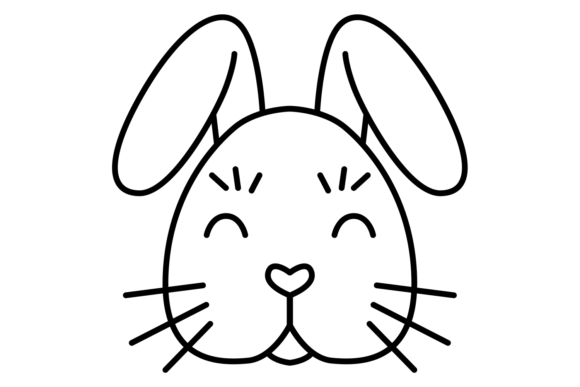
When we talk about "Bunny Face. Cute Rabbit Head," we aren't discussing a typeface in the traditional sense of serif fonts or sans serif fonts. Instead, we are looking at a specific category of design assets that serves a distinct, high-value purpose in the modern creative landscape. This asset—often found as a black line icon isolated on a white background in formats like EPS, JPG, SVG, and transparent PNG—is a staple in graphic design, packaging design, and brand identity creation. It represents a specific visual shorthand: the anthropomorphized or stylized rabbit face that conveys innocence, softness, nature, and playfulness.
For designers, entrepreneurs, and content creators, understanding the nuances of this specific icon style is crucial. It is not merely a drawing; it is a communication tool. The "Bunny Face" aesthetic relies on minimalism and immediate recognition. Unlike a complex script font that requires reading, a rabbit head icon communicates instantly across language barriers. It is a creative asset that bridges the gap between whimsical branding and professional logo design. Whether you are building a brand for a children’s boutique, a sustainable organic farm, or a tech startup with a friendly interface, the "Cute Rabbit Head" icon offers a versatile foundation for visual storytelling.
Visual Characteristics and Style Nuances
The power of the "Bunny Face. Cute Rabbit Head" lies in its simplicity. Typically rendered as a black line icon, the asset focuses on essential features: the long ears, the rounded head, and minimal facial features—often just eyes and a nose. This minimalist typography approach (applied here to iconography) ensures that the image scales perfectly from a tiny favicon on a browser tab to a large print on a tote bag.
The "Animal Black Line" style is particularly effective because it mimics the aesthetics of modern handwritten fonts and line art. It feels personal and handcrafted, even if it is vector-based. The isolation on a white background is standard for stock assets, but the real value comes when the designer removes the background using the transparent PNG format. This allows the bunny face to float over textures, colors, and photography without creating visual clutter. The personality of this icon is inherently gentle. It lacks aggressive angles or sharp points, making it psychologically safe and inviting for audiences ranging from toddlers to adults seeking comfort branding.
Strategic Applications for Brand Identity
Where does a "Cute Rabbit Head" actually work best? The answer is broader than most small business owners realize. While it is an obvious choice for Easter promotions or pet store branding, its utility extends far beyond seasonal use.
In editorial design, this icon can serve as a recurring motif or a dingbat to break up text columns in lifestyle magazines. For web design, it functions beautifully as a loading spinner, a "back to top" button, or a mascot for a chatbot. In the realm of social media graphics, the bunny face is instantly recognizable in a crowded feed. It works well as a watermark on photography or as a sticker element in Instagram Stories.
For entrepreneurs in the beauty or wellness industry, the rabbit often symbolizes cruelty-free products. Using a clean, black line rabbit head on packaging reinforces an ethical stance without needing excessive text. Similarly, for a blogger focusing on slow living or nature, the rabbit serves as a visual anchor for their brand identity. It pairs exceptionally well with serif fonts for a vintage feel or with geometric sans serif fonts for a modern, tech-forward look. The key is that the icon acts as a premium font element does—it sets the tone before the customer reads a single word.
Influence on Brand Perception and Engagement
Visual hierarchy isn't just about text size; it's about the interplay between imagery and typography. When you introduce a "Bunny Face" icon into your design system, you are softening your brand's voice. This has a direct impact on audience engagement. A sharp, corporate logo might intimidate a customer, but a friendly rabbit head lowers the barrier to entry. It suggests that the brand is approachable, helpful, and perhaps a bit playful.
Consistency is another major factor. If you use the "Animal Black Line" style across your touchpoints—from your website header to your email signatures and product packaging—you create a cohesive ecosystem. This consistency builds trust. When a customer sees that specific rabbit face on a social media post, they immediately associate it with your brand identity. This is the same psychological mechanism that makes modern typography work: repetition breeds familiarity, and familiarity breeds trust.
Practical Guidance for Implementation
For designers and crafters, the decision to use a "Bunny Face" asset involves a few practical checks. First, evaluate the line weight. A "Cute Rabbit Head" with very thin lines might get lost on a busy background or when printed small on merchandise. Ensure the SVG or EPS vector files are clean so you can adjust the stroke weight to match your primary typeface.
Second, consider font pairing. If your rabbit icon is playful and rounded, pairing it with a rigid, corporate sans serif font might create a disjointed look. Instead, try pairing it with a humanist sans serif or a rounded display font to maintain visual harmony. Conversely, if you want to create a sophisticated contrast (a common strategy in logo design), a delicate serif typeface can make the playful icon feel more upscale and intentional.
Finally, always check the licensing. Since this is often a commercial font or asset, ensure the license covers your specific use case, whether it is for digital products, print-on-demand merchandise, or client work. By treating the "Bunny Face. Cute Rabbit Head" with the same respect you would give a high-end typeface, you ensure it elevates your project rather than cluttering it. It is a powerful tool for content creators who want to add a touch of personality to their work without compromising on professionalism.