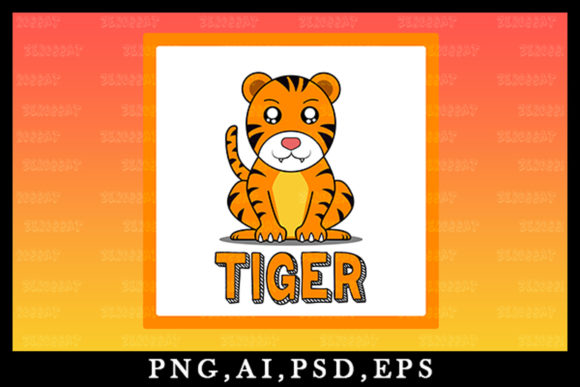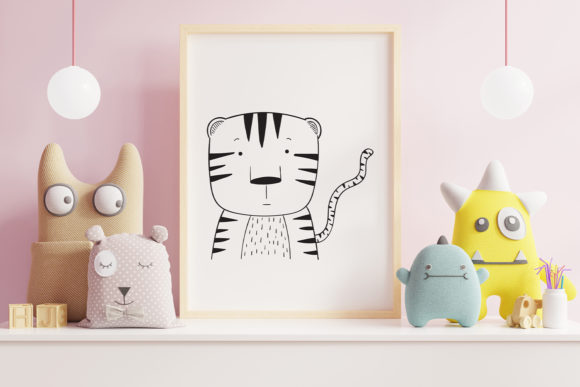
Charming Wall Art: Cute Tiger Animal Clip Art
Finding the right visual asset can define the entire trajectory of a project. When you are building a brand identity or launching a new product line, generic stock imagery often falls flat. This is where specific, high-quality character design comes into play. I recently came across a set of Cute Tiger Animal Clip Art that stands out for its versatility. It isn't just a simple illustration; it is a comprehensive toolkit designed for modern creators who need flexibility across both digital and physical mediums.
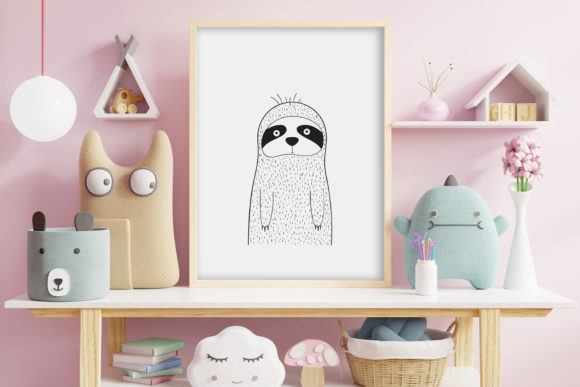
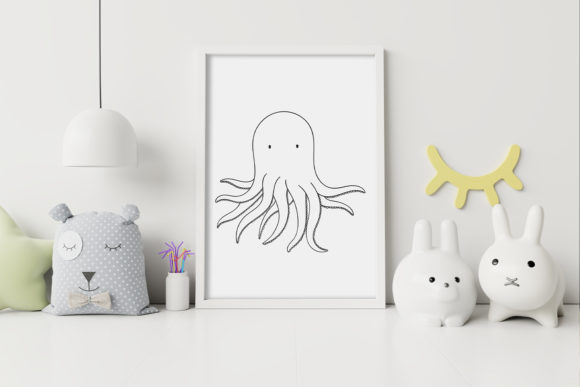
The visual language of this collection relies on a "hand drawn doodle" aesthetic. This style is incredibly popular right now because it bridges the gap between professional polish and approachable warmth. You aren't looking at rigid vector lines that feel sterile. Instead, the tiger illustrations possess a personality that feels organic and authentic. The linework suggests human creation, which is a key psychological trigger in modern branding. When customers see this style, they subconsciously associate the brand with craftsmanship and care, rather than mass production.
Visual Personality and Brand Perception
The core appeal of this Cute Tiger Animal Clip Art lies in its ability to evoke emotion without being overly childish. While the subject is a tiger—a creature often associated with power—the "cute" and "doodle" treatment softens that edge. This creates a unique brand perception: one that is friendly, energetic, and safe. For entrepreneurs in the children’s education space, pet care industry, or even eco-friendly startups, this visual tone is gold. It allows you to speak to an audience that values friendliness and safety.
From a design strategy perspective, using this style of illustration helps with visual hierarchy. In a busy layout, such as a product label or a social media graphic, a hand-drawn element acts as a focal point. It breaks the monotony of standard sans serif font blocks or corporate imagery. It draws the eye naturally. Because the file set includes high-resolution PNGs with transparent backgrounds, you can layer these assets over textures, photographs, or solid color blocks without worrying about clashing borders. This layering capability is essential for creating depth in your designs.
Real-World Applications: Beyond the Screen
The true test of any design asset is how well it translates from a digital file to a physical product. This specific collection is formatted for massive scalability, reaching up to 50x70 inches. This is not standard for typical clip art. It signals that these files are intended for serious production use, such as large-scale Wall Art prints.
If you are a crafter or a small business owner selling on platforms like Etsy or Shopify, the applications are vast. Here is where this asset shines:
- Home Decor: The high-resolution JPG and AI files make it perfect for nursery decor. You can print these tigers directly onto canvas for Wall Art, or use them as the central motif for throw pillows and duvet covers.
- Apparel and Accessories: The transparent PNGs are ideal for T-shirt designs, tote bags, and phone cases. The doodle style works exceptionally well on fabric because it mimics the look of screen printing or embroidery.
- Stationery: Use the illustrations to create unique greeting cards, planner stickers, or invitations. The playful nature of the tiger character fits perfectly into the stationery market.
- Digital Products: Content creators can use these as assets within digital planners, Zoom backgrounds, or educational worksheets.
Technical Specifications for Professional Use
As someone who has worked in packaging design and editorial design, I know that the file format matters just as much as the artwork itself. A beautiful illustration is useless if it cannot be edited or printed at a high quality. This collection addresses that concern by providing a robust set of files:
- Adobe Illustrator (AI) & SVG: These are vector formats. This is crucial for logo design or any branding element that needs to be resized infinitely without losing quality. You can change colors, move elements, and customize the tiger to match a specific brand palette.
- Photoshop (PSD): For those who prefer raster editing, the PSD file allows for easy manipulation of layers.
- High-Res PNG & JPG: At 300 dpi and nearly 6000px wide, these are print-ready. You can confidently send these to a printer for large posters or merchandise without pixelation issues.
Integrating with Modern Typography
One of the challenges with handwritten font styles or doodle art is pairing them with text. You need a typeface that complements the illustration without competing with it. Because the tiger clip art has a lot of texture and detail, I recommend pairing it with clean, modern typography.
A geometric sans serif font works best for headlines. It provides a stable anchor for the playful illustration. For body copy on packaging or posters, a legible serif font can add a touch of tradition and trustworthiness. Avoid using a script font that is too ornate, as it might get visually lost against the intricate lines of the doodle art. The goal is font pairing that ensures readability while maintaining the whimsical energy of the tiger.
Final Thoughts on Versatility
Ultimately, this Cute Tiger Animal Clip Art is more than just a decoration; it is a strategic brand identity tool. It solves the problem of finding cohesive, high-quality artwork that works across multiple formats. Whether you are designing a set of coasters, a line of greeting cards, or a social media graphics campaign, having access to editable vector and high-res raster files gives you the professional edge needed to stand out in a crowded market.