Cute Tiger Character: The Funny Baby Animal Font That Builds Brands
In the vast landscape of modern typography, finding a typeface that genuinely connects with an audience on an emotional level is rare. We often search for the "perfect" premium font—one that balances technical precision with artistic flair. However, sometimes the most effective design asset isn't the one that demands respect through rigid geometry, but the one that invites a smile. This is where the Cute Tiger Character typeface enters the conversation. It isn't just a collection of letters; it is a narrative tool, a funny baby animal aesthetic wrapped in vector precision, designed to bring warmth and whimsy to your creative projects.
Visual Anatomy of a Playful Powerhouse
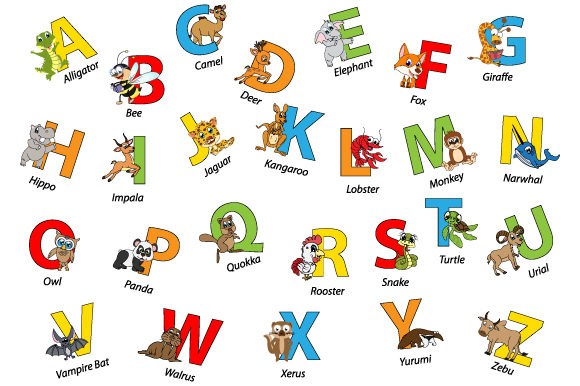
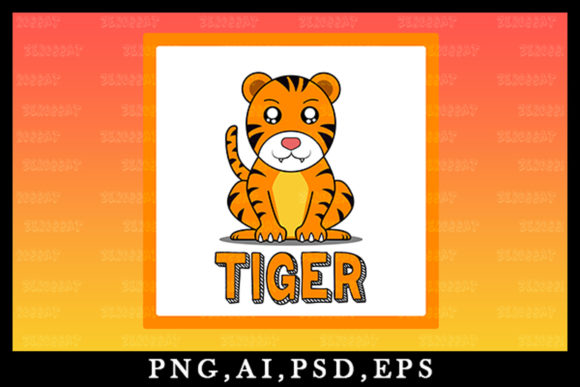
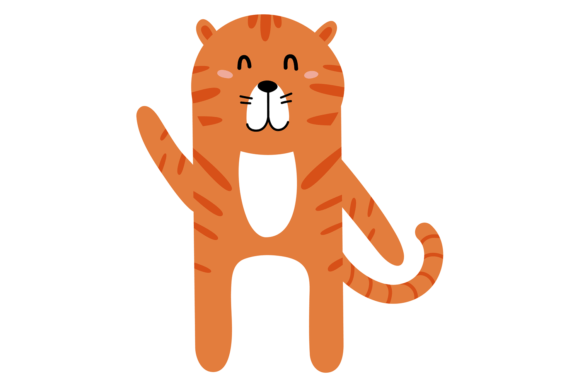
At its core, the Cute Tiger Character font is a masterclass in character illustration integrated into typography. Unlike standard sans serif font families that prioritize neutrality, this typeface leans heavily into personality. Each glyph is constructed to resemble an adorable, wide-eyed baby tiger, complete with playful stripes, tiny paws, and expressive faces. The "Funny Baby Animal" descriptor is accurate; these letters don't just sit on the baseline—they interact with it.
The visual style bridges the gap between a handwritten font and a pictographic display font. The lines are generally soft and rounded, avoiding sharp serifs or aggressive angles, which contributes to its approachable feel. Whether you are looking at the EPS, JPG, SVG, or transparent PNG formats, the integrity of the character remains intact. The transparency support is particularly vital here, allowing the "tiger" elements to overlap other design assets without unsightly white boxes, making it a versatile component in complex layering for web design or editorial design.
Strategic Applications: Where Whimsy Meets ROI
As a designer or business owner, the challenge is knowing when to deploy a creative font like this. It is not a typeface for a corporate banking report, but it is a goldmine for specific niches. The Cute Tiger Character excels in environments where audience engagement relies on emotional warmth and nostalgia.
Children’s Education and Entertainment
The most obvious application is in the children’s market. If you are designing a logo for a daycare, a mobile app for toddlers, or packaging design for children’s snacks, this font is an immediate winner. The "baby animal" motif triggers protective instincts and joy in parents, while the funny aspect keeps children engaged. It functions as a visual anchor for brand identity in the toy and education sectors.
Small Business and Niche Branding
Entrepreneurs running pet shops, veterinary clinics, or animal rescue organizations can use this font to soften their image. It tells potential customers, "We are friendly and we love animals." However, think outside the pet industry. A bakery with a "Tiger Tail" pastry or a vintage clothing store with a quirky vibe can utilize this font for social media graphics to stand out in a feed dominated by sterile, minimalist typography.
Merchandise and Print-on-Demand
For crafters and hobbyists, the Cute Tiger Character is a ready-made design for merchandise. Because the font isolates well on white backgrounds (as noted in the asset description), it is perfect for T-shirt designs, tote bags, and stickers. The transparent PNG format allows for easy drag-and-drop usage in print-on-demand software, eliminating the need for complex background removal.
Typography Mechanics: Readability and Hierarchy
When integrating a display font like this, the rules of modern typography shift. You are not using this for body copy; you are using it for impact. Here is how it influences your design structure:
- Visual Hierarchy: Use the Cute Tiger Character exclusively for headlines or logos. Its high visual weight and distinct shape make it impossible to ignore. It naturally sits at the top of the hierarchy.
- Readability: Because the letters are illustrative, long sentences can become visually "noisy." Keep usage short—three to five words maximum—to ensure the message is absorbed instantly.
- Font Pairing: This is critical. Do not pair this funny baby animal font with another decorative typeface. Instead, ground it with a clean, geometric sans serif font or a gentle serif font for body text. The contrast between the playful header and the serious body copy creates a professional balance that prevents the design from looking chaotic.
Practical Implementation and Licensing
Before you finalize your logo design or marketing materials, you must evaluate the technical and legal aspects of the asset.
File Formats and Versatility
The inclusion of EPS and SVG formats is a significant advantage for professionals. These vector formats ensure that the Cute Tiger Character can be scaled to billboard size or shrained down to a favicon without losing quality. This scalability is essential for maintaining brand consistency across different media, from business cards to website headers.
Evaluating the "Vibe"
Ask yourself: Does this font align with your brand's promise? If your brand strategy relies on authority and austerity, this font will create cognitive dissonance. However, if your strategy focuses on approachability, fun, and community, this font is a strategic asset. It signals to your audience that you don't take yourself too seriously, which can be a powerful differentiator in crowded markets.
Commercial Use
Always verify the licensing. While many "baby animal" assets are free for personal use, using them in commercial font applications—like a client's logo or a product for sale—usually requires a specific license. Treat this asset with the same professional respect you would a high-end script font or corporate typeface.
Conclusion
The Cute Tiger Character font is more than a novelty; it is a specialized tool for connection. In a digital world often dominated by sharp edges and cold minimalism, this funny baby animal typeface offers a moment of delight. For designers, marketers, and entrepreneurs, it provides a way to inject personality into a brand instantly. By pairing it thoughtfully with complementary fonts and using it in the right context, you can transform a simple message into a memorable experience that resonates with the young and the young at heart.